
RTLS isn’t Real-Time Unless it Reaches the Right Person

Too often, real-time location data ends up in the wrong place — or seen too late. Yes, the data is fast. But if it’s buried in a backend system or delayed until the next shift, it’s not really helping your operations in the present moment. True real-time RTLS is much more than the speed of […]
When Every Second Counts: RTLS in High-Stakes Environments

A patient slips in the bathroom. A miner gets lost in the tunnel. A construction worker collapses from heatstroke on a scaffold. In these moments, seconds decide the difference between a close call and a fatality. High-stakes environments demand precise visibility, instant alerts, and real-time coordination. A well-implemented RTLS system can locate, alert, notify, and […]
When the Map Becomes the Territory: RTLS as a Source of Truth

Most companies have maps. Dashboards. Reports. KPIs. But too often, those tools reflect what people think is happening — not what actually is. That’s where RTLS changes the game. From Assumptions to Accuracy Without real-time location tracking, your operation runs on: This approach might work — until it doesn’t. With RTLS in place, you’re not […]
RTLS shouldn’t just report the problem — It should prevent It

Many treat RTLS like a mirror — something that reflects what’s already happened. But great systems don’t just tell you when things go wrong. They’re built to stop those problems before they start — and that’s what separates preventative RTLS systems from standard, reactive ones. Real-time location data becomes powerful when connected to automated logic, […]
“1+1=3”: How RTLS + IoT Creates Real Operational Intelligence

Seeing RTLS as a standalone asset-tracking tool misses the full picture. When RTLS is woven into an IoT ecosystem, it becomes the backbone of a truly intelligent facility, aligning every IoT node. In today’s operations, effective monitoring isn’t about piecing together tech—it’s about integrating systems to see the bigger picture, instantly. RTLS systems are evolving […]
Beyond the Basics: How RTLS can Enhance Employee Experience and Safety

RTLS is often praised for streamlining operations – and often just that. However, at DynaWo, we design our systems with not just the assets, but the people who enable the day-to-day operations in mind. We believe a truly people-centric RTLS can play critical roles such as: Environmental Monitoring – RTLS alone isn’t a full HVAC […]
RTLS that Grows with You

Many RTLS deployments feel solid at first — until they outgrow their design. Here’s what it’s often seen: A second shift is added, but alert rules don’t align with their workflow — causing missed triggers or false positives. These aren’t “system failures” — they’re design limitations that show up when operations evolve. Real-world Example: Food […]
You Can’t Fix what You Can’t See — RTLS as the Operational Mirror
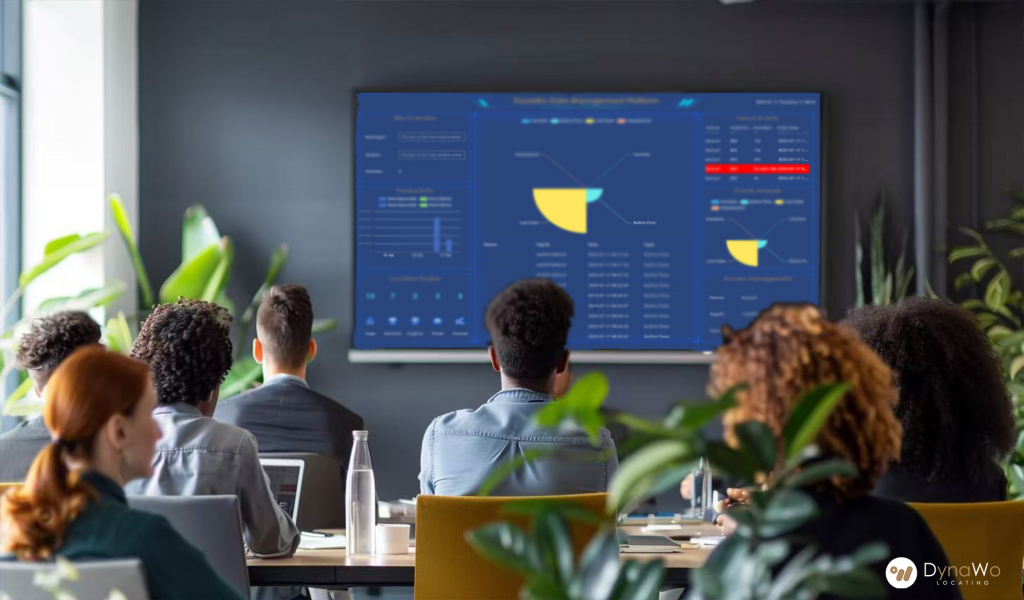
You don’t realize you have a visibility problem — until RTLS shows you. That’s the moment many of our customers face: a system goes live, and suddenly, all the silent delays, the forgotten wait times, and the in-between moments come into view. They were always there. But no one had the data to prove it. […]
RTLS that Nobody Notices — and that’s a Good Thing

One of the biggest misconceptions in RTLS design is this:“If it’s high-tech, people should notice it.” But in real-world operations — the best systems are invisible. Not because they’re hidden — but because they don’t interrupt. A nurse shouldn’t stop mid-shift to figure out where a device is. A warehouse operator shouldn’t need four clicks […]
Do you Need UWB Everywhere? (#RTLS Myth)
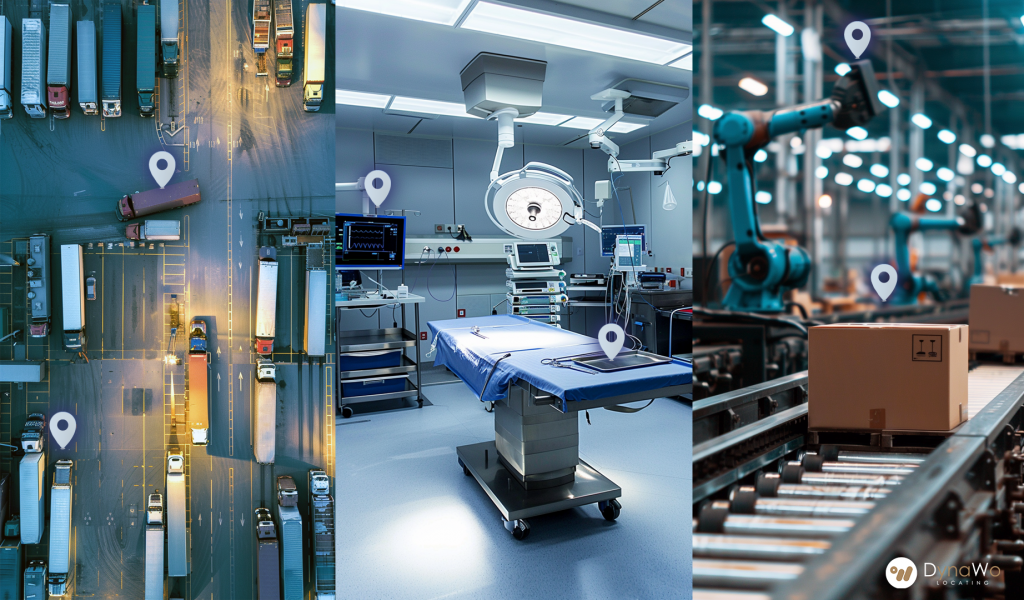
Ultra-Wideband (UWB) is often marketed as the gold standard for real-time location. And yes — it’s powerful, accurate to the centimeter, and fast. But here’s what DynaWo has learnt after years of experience: You don’t need UWB everywhere. In fact, in some use cases, it can be too complicated, expensive, ineffective, and simply not the […]