
When the Map Becomes the Territory: RTLS as a Source of Truth

Most companies have maps. Dashboards. Reports. KPIs. But too often, those tools reflect what people think is happening — not what actually is. That’s where RTLS changes the game. From Assumptions to Accuracy Without real-time location tracking, your operation runs on: This approach might work — until it doesn’t. With RTLS in place, you’re not […]
RTLS shouldn’t just report the problem — It should prevent It

Many treat RTLS like a mirror — something that reflects what’s already happened. But great systems don’t just tell you when things go wrong. They’re built to stop those problems before they start — and that’s what separates preventative RTLS systems from standard, reactive ones. Real-time location data becomes powerful when connected to automated logic, […]
“1+1=3”: How RTLS + IoT Creates Real Operational Intelligence

Seeing RTLS as a standalone asset-tracking tool misses the full picture. When RTLS is woven into an IoT ecosystem, it becomes the backbone of a truly intelligent facility, aligning every IoT node. In today’s operations, effective monitoring isn’t about piecing together tech—it’s about integrating systems to see the bigger picture, instantly. RTLS systems are evolving […]
Beyond the Basics: How RTLS can Enhance Employee Experience and Safety

RTLS is often praised for streamlining operations – and often just that. However, at DynaWo, we design our systems with not just the assets, but the people who enable the day-to-day operations in mind. We believe a truly people-centric RTLS can play critical roles such as: Environmental Monitoring – RTLS alone isn’t a full HVAC […]
RTLS that Grows with You

Many RTLS deployments feel solid at first — until they outgrow their design. Here’s what it’s often seen: A second shift is added, but alert rules don’t align with their workflow — causing missed triggers or false positives. These aren’t “system failures” — they’re design limitations that show up when operations evolve. Real-world Example: Food […]
You Can’t Fix what You Can’t See — RTLS as the Operational Mirror
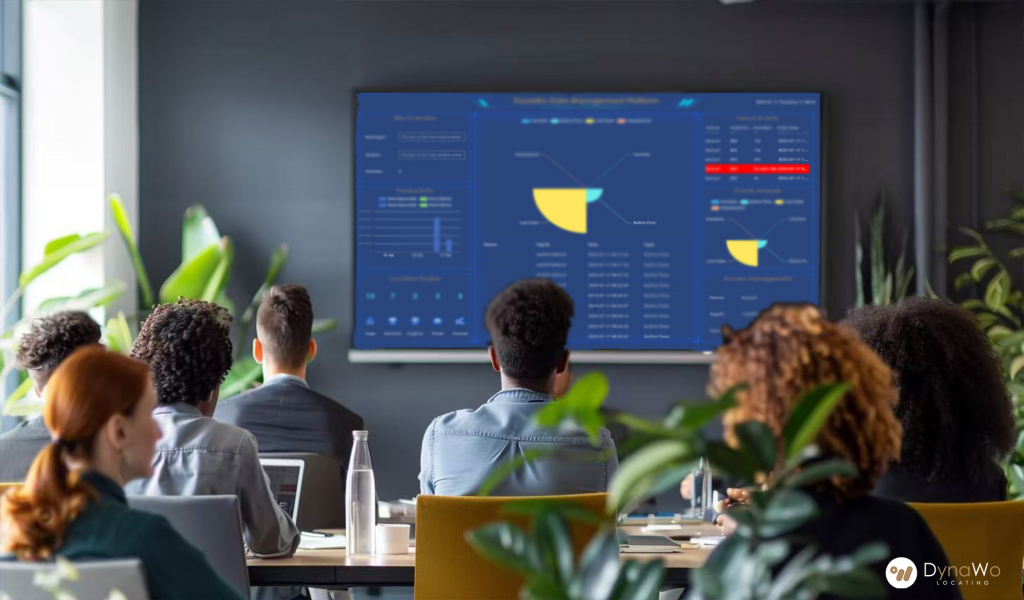
You don’t realize you have a visibility problem — until RTLS shows you. That’s the moment many of our customers face: a system goes live, and suddenly, all the silent delays, the forgotten wait times, and the in-between moments come into view. They were always there. But no one had the data to prove it. […]
RTLS that Nobody Notices — and that’s a Good Thing

One of the biggest misconceptions in RTLS design is this:“If it’s high-tech, people should notice it.” But in real-world operations — the best systems are invisible. Not because they’re hidden — but because they don’t interrupt. A nurse shouldn’t stop mid-shift to figure out where a device is. A warehouse operator shouldn’t need four clicks […]
Do you Need UWB Everywhere? (#RTLS Myth)
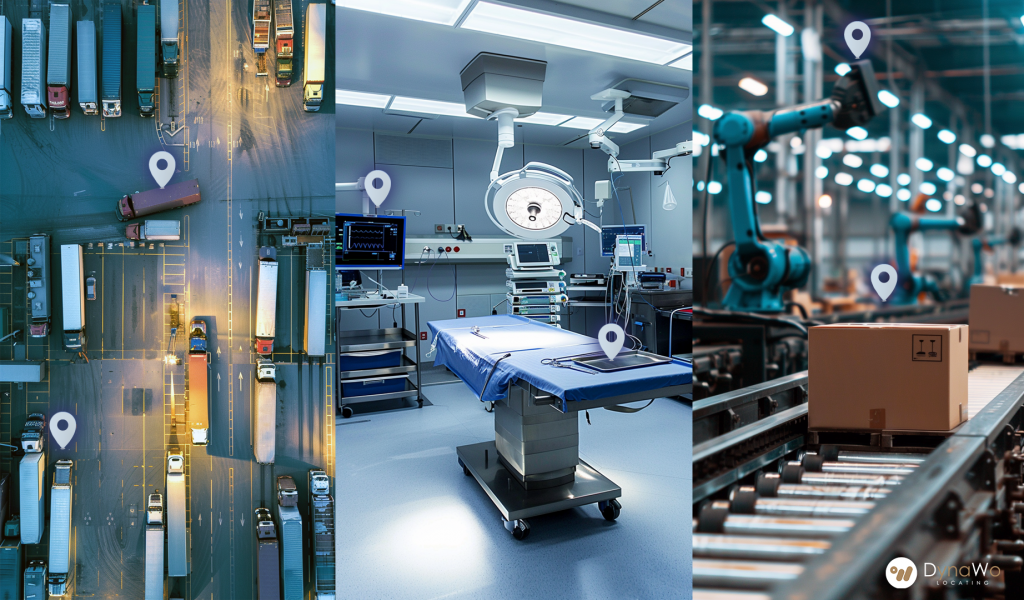
Ultra-Wideband (UWB) is often marketed as the gold standard for real-time location. And yes — it’s powerful, accurate to the centimeter, and fast. But here’s what DynaWo has learnt after years of experience: You don’t need UWB everywhere. In fact, in some use cases, it can be too complicated, expensive, ineffective, and simply not the […]
Who Should Be Using RTLS — and Doesn’t Know it Yet?

RTLS isn’t just for smart factories and warehouse grids. Some of the best use cases we’ve seen come from places that never thought to consider location tracking — until they realized what they were missing. Specifcally: None of these teams were “shopping for RTLS.” But they all had invisible workflow gaps that location data could solve — […]
What Happens After the RTLS Pilot?
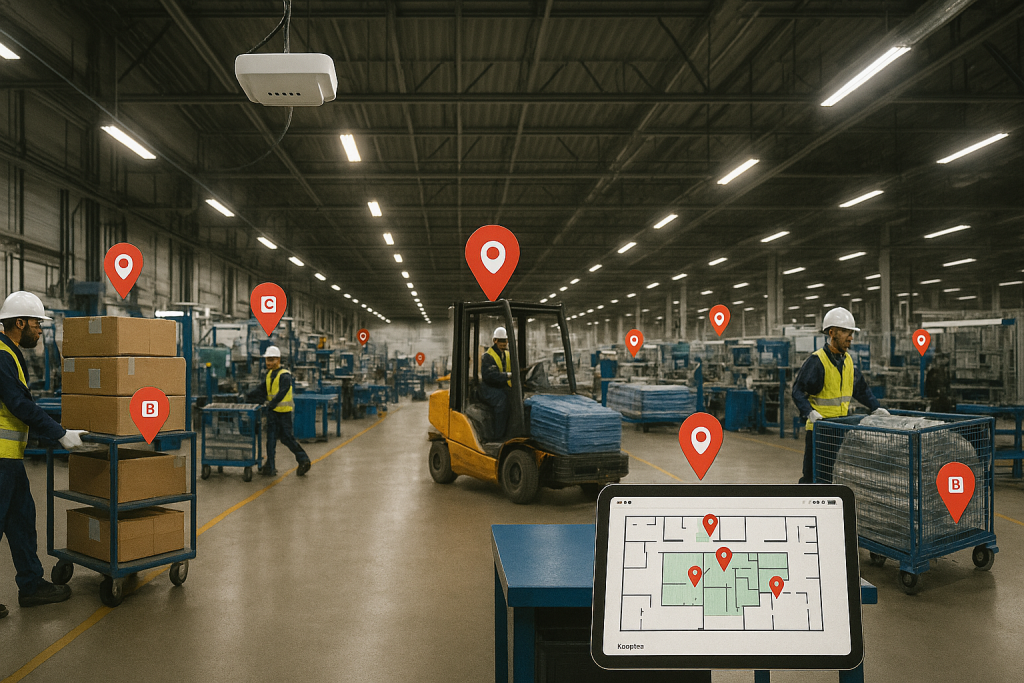
A successful pilot doesn’t guarantee a smooth rollout, unless it’s designed that way from the beginning.At DynaWo, we don’t run PoCs just to prove the tech works. We use them to pressure-test what happens next: These are the questions that shape our system design and training protocols—because we know a demo environment never tells the […]