
How RTLS Enables Digital Twins
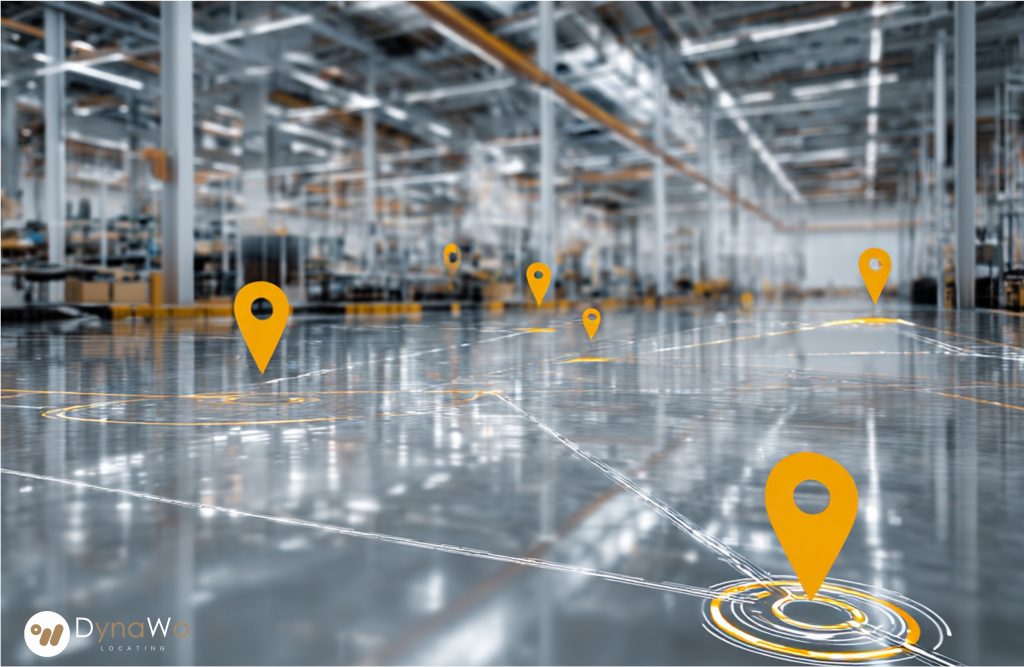
Digital twins were once understood as virtual replicas of individual machines. These early twins focused on mechanical behaviour, vibration patterns, wear curves, and predicted failure cycles. But as industries moved toward system-level optimisation, the limitations became clear: machines do not operate in isolation. They interact with people, materials, environments, and time. A modern digital twin […]
Optimising the Dark Facility: How RTLS Coordinates Buildings After Hours

Facilities operate very differently when the lights go down. During after-hours periods, staff density drops, movement slows, and workflows shift from production to preparation, creating a unique operational challenge. A building that is full of motion during the day becomes sparse, quiet, and dependent on automated systems at night. Yet this low-visibility environment often hides […]
Precision Within Precision: RTLS in the Modern Laboratory

A laboratory is a world built on layers of precision. Beneath the visible orchestration of instruments and researchers lies an intricate universe of micro-scale reactions, calibrated temperatures, controlled humidity, and movements measured in seconds. Yet even in these highly structured environments, the paths that samples take, the exact positions of shared instruments, and the subtle […]
Following Invisible Currents: Environmental Intelligence Through RTLS

Migratory whales cross entire oceans by reading subtle variations in temperature, salinity, and magnetic fields. Their movements follow gradients that are invisible to the human eye yet essential to survival. Industrial environments contain similar hidden dynamics. Temperature increases around overworked machinery, humidity gathers in pockets that compromise packaging materials, and gases accumulate in enclosed areas […]
Flowing Through the Factory: How RTLS Software Layers Mirror a City’s Water System
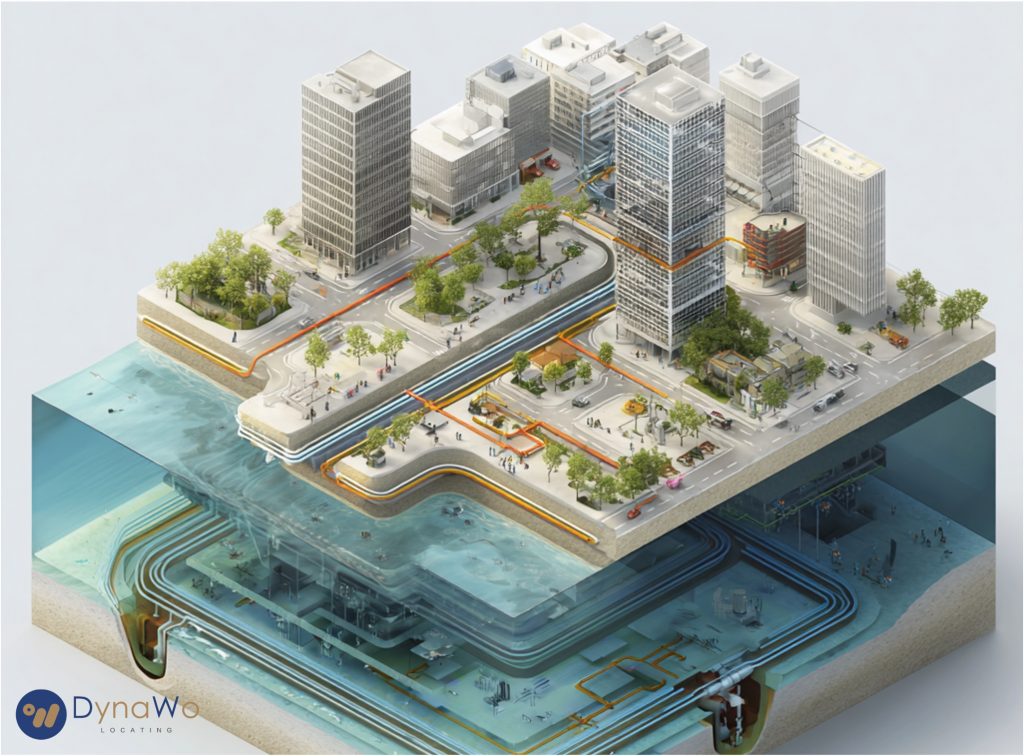
Every city depends on water. It moves quietly beneath the streets, flowing through pipes and channels, supplying life where it is needed. People rarely see the system that makes it possible, but it shapes every moment of the city’s rhythm. A factory supported by RTLS behaves in much the same way. Beneath every smooth workflow […]
The CTO Take: Which RTLS Tech do you need?

Real-time location systems rely on several wireless technologies, each offering different levels of accuracy, infrastructure requirements, and operational strengths. Selecting an appropriate solution depends on the balance between precision, scalability, energy consumption, and environmental constraints. The following comparison outlines the characteristics of five major technologies used across industrial, commercial, and logistics environments: Bluetooth AoA, UWB, […]
Clarity Through Many Angles: How RTLS Achieves Precision Through Distributed Anchors

In a cathedral, a single beam of sunlight is unremarkable. Yet when it passes through stained glass, the same light becomes a mosaic of colours, shaped and sharpened by the angles it encounters. The beauty of stained glass lies not in the beam itself, but in the structure that refracts it. RTLS accuracy is built […]
Positioning Technologies as the New Infrastructure Layer for Digital Operations

Across industries, digital transformation has moved beyond isolated projects and into the operational foundations of organisations. The next phase of this evolution will not be defined by individual platforms or isolated automation initiatives, but by a new layer of infrastructure that enables continuous spatial awareness. Real-time location systems (RTLS) are becoming integral to this shift. […]
Crown Shyness and the Connected Factory

If you look up into the canopy of a tall forest, you might notice something extraordinary. The treetops — though they stretch toward the sun — never quite touch. Between their crowns are delicate, winding gaps, like rivers of light. This phenomenon is called crown shyness. Scientists believe it allows trees to share light more […]
Back to Basics III: What is UWB?
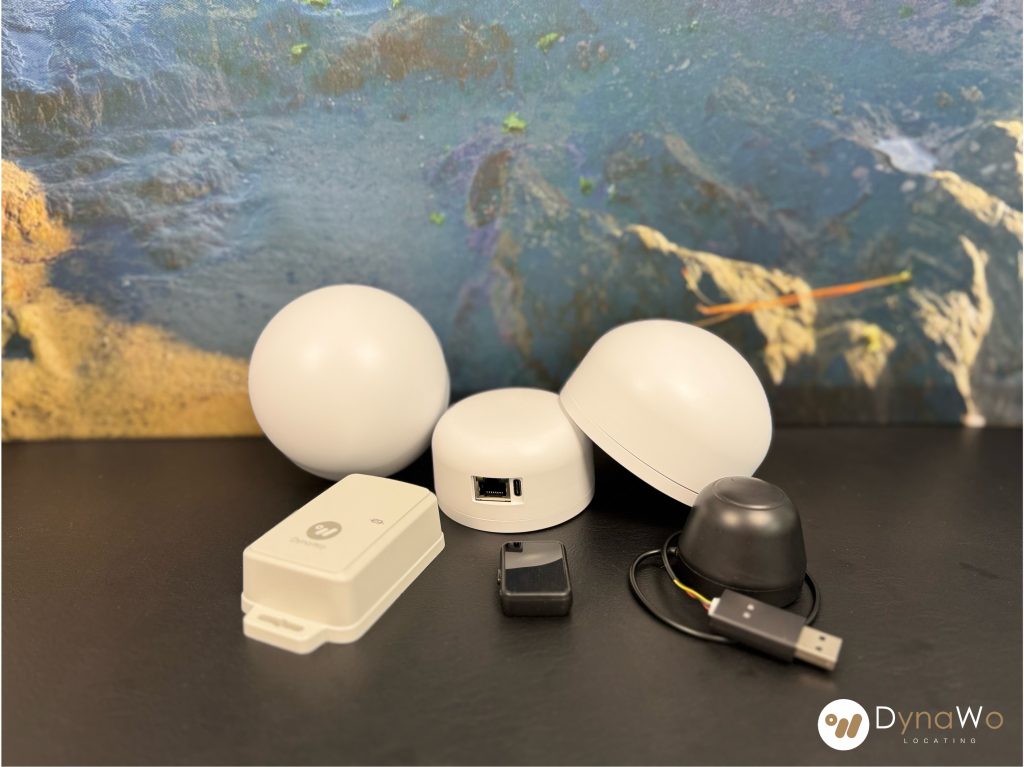
Ultra-wideband (UWB) is widely regarded as one of the most accurate indoor positioning technologies available. It transmits extremely short pulses across a wide frequency spectrum, enabling precise measurement of signal travel time between tags and anchors. Unlike technologies that infer distance from signal strength, UWB uses time-of-flight (ToF) and time-difference-of-arrival (TDoA) calculations, producing consistent sub-30-centimeter […]